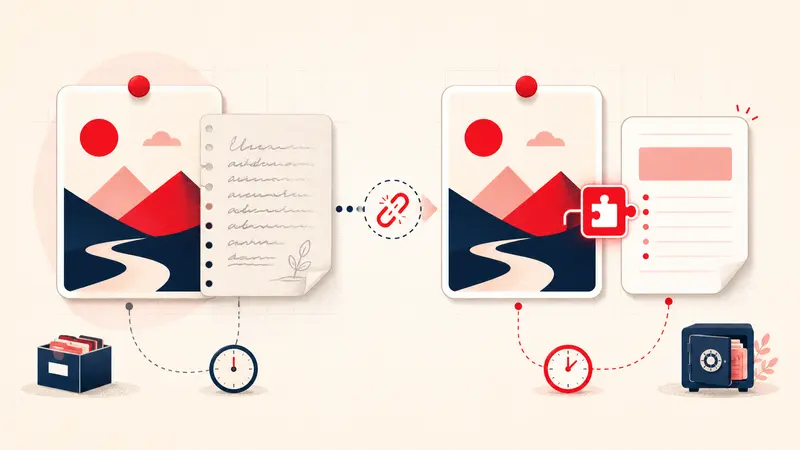
Pinterest once introduced a feature that quietly solved a real problem for real people. It was simple. It was practical. It made sense. Users could attach personal notes to their saved Pins, adding context, reminders, ideas, and private thoughts. Then the feature disappeared. No long explanation. No replacement that truly matched what people used it for. Just gone.
This article explores what went wrong with Pinterest Notes, why the removal frustrated power users, and what users actually needed from a visual bookmarking platform. If you care about productivity, digital organization, content curation, or the evolution of social platforms, this deep dive explains the misalignment that led to a promising feature being abandoned.
The Original Promise of Pinterest Notes
When Pinterest introduced Notes, it aligned perfectly with the platform’s core identity. Pinterest has always been about saving ideas. Recipes. Home inspiration. Business strategies. Outfit concepts. Study resources. Travel plans. But saving without context creates clutter over time.
Notes solved that friction. Users could add private annotations to their Pins. A recipe could include a reminder to reduce salt. A workout plan could include a personal goal. A marketing idea could include campaign notes. A home decor image could include measurements. Suddenly, Pinterest became more than a mood board. It became a thinking tool.
From an SEO perspective, the feature strengthened user engagement. People stayed longer. They interacted more deeply. They treated their boards like working documents instead of passive collections. That kind of behavior increases session time, improves retention, and builds habit loops.
Yet despite the value to users, Pinterest removed Notes. To understand why, we need to examine platform incentives.
Users Wanted a Utility Tool
Most Pinterest users are planners. They are organizing weddings, businesses, meals, renovations, lesson plans, and life goals. They are not primarily looking for entertainment in the same way people scroll on social media feeds. They are searching with intent.
Intent driven users behave differently from passive scrollers. They search. They compare. They refine. They return repeatedly to the same boards. Notes enhanced this workflow. It supported practical organization.
Here is what users actually needed from Pinterest Notes:
- Private context for saved content
- Personal reminders attached to visual inspiration
- Lightweight project management within boards
- Searchable annotations tied to saved Pins
- Better recall months after saving something
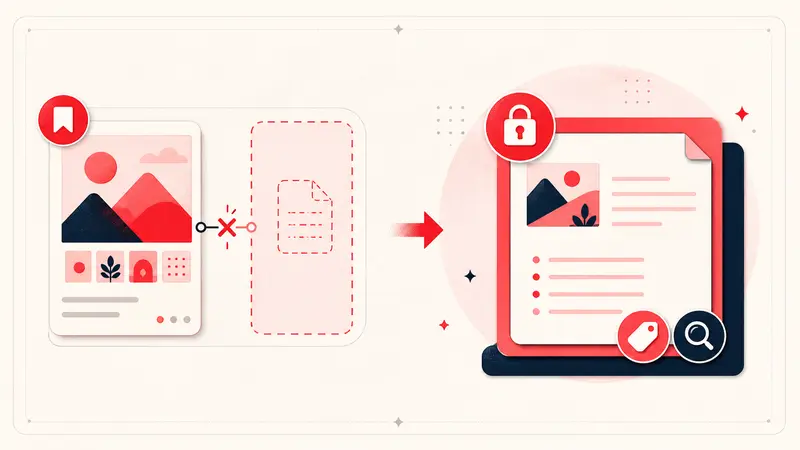
Without Notes, boards become visual archives without memory. You see the image but forget why you saved it.
Advertisers Needed a Media Channel
Platforms survive on revenue. Revenue on Pinterest comes largely from promoted Pins and shopping integrations. The more time users spend browsing monetizable content, the more ad impressions are generated.
Notes did not directly increase ad inventory. It did not encourage additional browsing. It did not create shareable content. It was private and utility focused.
That difference matters. When a feature primarily benefits users but does not clearly increase revenue, it competes for engineering resources against monetization initiatives. In large companies, those tradeoffs often favor revenue growth.
This is a classic example of misaligned incentives. Users wanted organization. Advertisers wanted visibility. Pinterest as a business prioritized what scales revenue.
The Shift From Utility to Discovery Commerce
Over time, Pinterest repositioned itself as a shopping destination. Product Pins, affiliate integrations, in app checkout experiments, and shopping feeds began to dominate development priorities.
From a business perspective, this makes sense. Visual discovery naturally pairs with commerce. But in the shift toward being a shopping engine, Pinterest gradually deprioritized its identity as a personal organization tool.
Notes were aligned with productivity. Shopping features are aligned with transactions. These are different strategic directions.
As the interface evolved, the experience became heavier. More recommendations. More promoted content. More shopping labels. Less focus on clean boards and simple saving.
The Bloat Problem
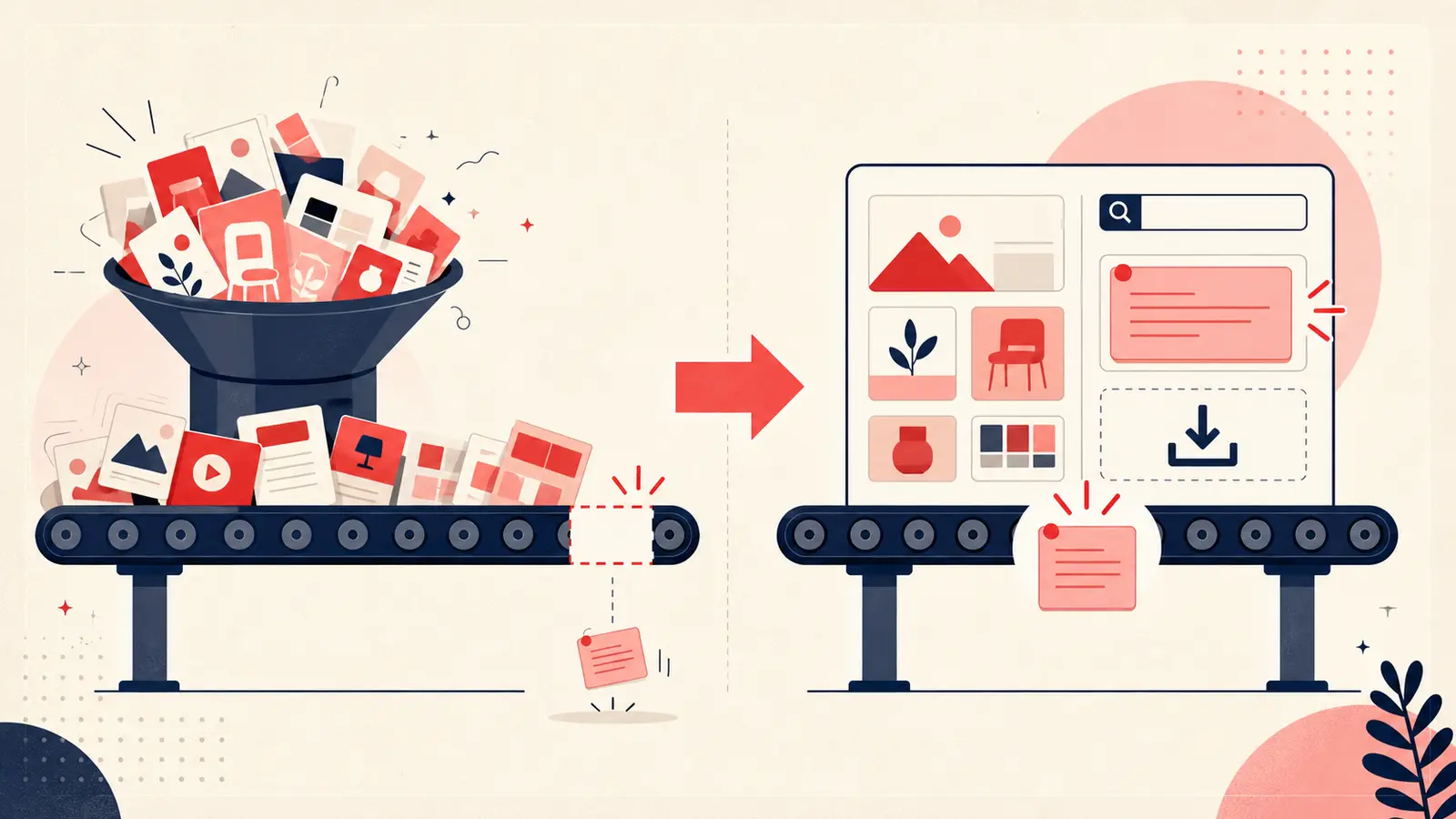
Product bloat happens when a platform tries to serve too many goals at once. Pinterest attempted to be a social network, a shopping marketplace, a visual search engine, and an advertising platform simultaneously.
Each new objective added complexity. New buttons. New modules. New algorithmic feeds. The simplicity of pinning to a board with personal context faded.
Users who relied on Pinterest for focused planning felt the shift. Instead of opening the app to refine a project, they encountered more distractions.
When simplicity erodes, power users feel it first. And power users are often the most loyal segment.
Why Removing Notes Hurt Power Users
Casual users may not have noticed the removal immediately. But creators, marketers, students, designers, and planners did. They had built workflows around annotation.
For example:
A content creator might save headline ideas and attach comments about tone or audience. A student might save study resources and write key concepts in the note field. A small business owner might save packaging inspiration with supplier reminders.
When Notes disappeared, those workflows broke.
This created friction. Users had to move to external tools. Screenshots with captions. Separate note apps. Spreadsheets. That extra step reduces efficiency and increases cognitive load.
The Importance of Context in Digital Organization
Context is what turns saved information into actionable knowledge. Without context, a saved Pin is just an image. With context, it becomes a decision, a reminder, or a plan.
Digital organization platforms that ignore context eventually become cluttered archives. Users forget why they saved something. They stop revisiting old boards. Engagement declines.
Searchability also suffers. If users cannot search within their own notes, they lose the ability to retrieve ideas quickly. In productivity terms, retrieval speed matters more than storage volume.
Notes made Pinterest more searchable on a personal level. Removing them reduced the depth of personal indexing.
What Users Actually Needed Instead
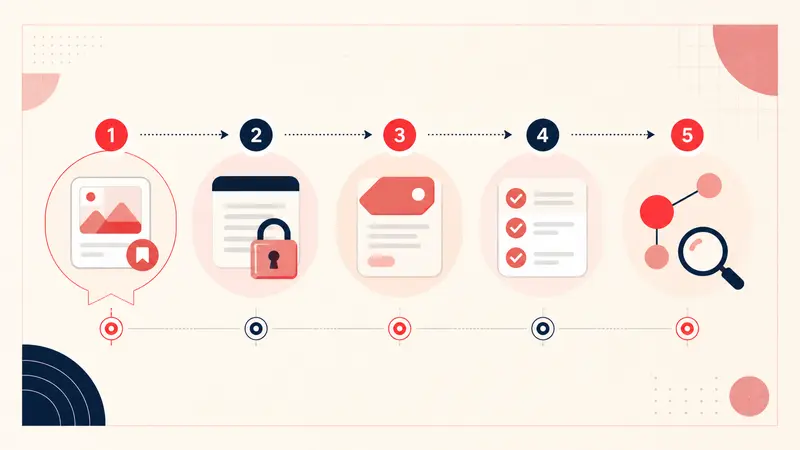
If Pinterest wanted to improve Notes rather than remove them, here is what would have strengthened the feature:
- Search within private notes
- Tagging for saved Pins
- Board level summaries
- Export options for research projects
- Integration with task reminders
These features would have positioned Pinterest as a hybrid between inspiration board and lightweight productivity system.
Importantly, productivity tools increase retention. When users build systems inside a platform, switching costs increase. Removing system features reduces those switching costs.
Retention Versus Immediate Monetization
There is a long term strategy difference between maximizing short term revenue and maximizing long term retention.
Notes strengthened long term retention by embedding users deeper into their boards. Shopping features may increase immediate revenue but do not necessarily increase emotional attachment.
When platforms remove beloved utility features, they risk eroding trust. Users start to feel that the product serves advertisers more than them.
The Opportunity for Focused Alternatives
Whenever a large platform removes a practical feature, it creates opportunity. Smaller tools can specialize in what the larger company deprioritized.
There is clear demand for private note taking attached to visual content. People want to annotate inspiration. They want to tag ideas. They want to search their own thinking.
Tools that prioritize user utility over advertising can win loyalty in specific niches. Especially in productivity focused communities.
Simplicity as a Competitive Advantage
The original appeal of Pinterest was simple. Save something interesting. Organize it. Return later.
When a platform remains focused on a core action, it becomes intuitive. When it layers too many objectives, the experience becomes fragmented.
Simplicity reduces cognitive friction. Lower friction increases usage frequency. Higher frequency increases habit formation.
Notes aligned with simplicity. They enhanced the save action without complicating the interface.
Lessons for Product Builders
There are important product strategy lessons in the story of Pinterest Notes:
- Do not remove features that support core workflows without offering alternatives
- Measure retention impact, not just revenue impact
- Listen to power users who rely on system level features
- Protect simplicity as the product grows
- Avoid shifting identity too aggressively
Products succeed when they clearly understand who they serve. If the primary user is a planner, build for planners. If the primary revenue comes from advertisers, find alignment rather than sacrifice user trust.
The Real Problem Was Misalignment
Ultimately, what went wrong with Pinterest Notes was not technical failure. It was strategic misalignment. The feature supported organization and private thinking. The company strategy leaned toward commerce and visibility.
When user value and business value diverge, features that do not monetize directly often disappear.
But the demand never vanished. Users still need context. They still need annotation. They still need searchable personal notes attached to visual inspiration.
Why This Matters in 2026 and Beyond
As digital platforms continue evolving toward monetization and algorithmic feeds, utility features will increasingly differentiate tools. Users are becoming more conscious of how platforms shape their behavior.
There is growing appreciation for focused tools that solve specific problems well instead of trying to be everything.
For creators, entrepreneurs, students, designers, and planners, the ability to attach private notes to visual content is not a luxury. It is a workflow necessity.
Pinterest had that opportunity. It built the feature. Users adopted it. Then it removed it.
The lesson is clear. When you build something that strengthens how people think and organize, protect it. Because once trust erodes, rebuilding it is far harder than maintaining it.
If the future of digital organization belongs to tools that prioritize clarity, context, and user ownership, then the gap left by Pinterest Notes remains wide open.
Get the Notestopin Chrome extension
Add private notes to any Pin, tag them, and search your saves later.
Add to Chrome