“I Saved It, But Why?” Solving Pinterest’s Biggest Organization Problem

Salo By Salo 12 min read
“I Saved It, But Why?” Solving Pinterest’s Biggest Organization Problem

Have you ever opened one of your Pinterest boards and felt completely confused about why you saved something? You scroll past a photo of a door handle, a kitchen layout, a quote about productivity, or a random DIY project and suddenly think, “What was I planning to do with this?” If that sounds familiar, you are not alone. Millions of Pinterest users save ideas every day, but very few have a system that helps them remember the original intention behind each Pin.

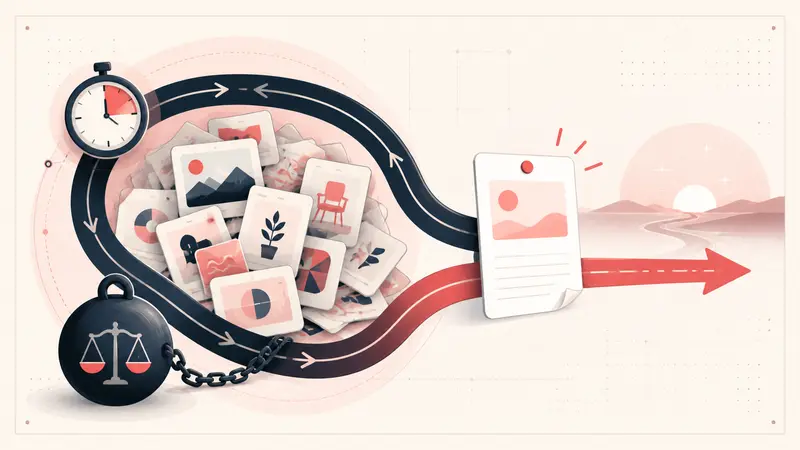
This common experience reveals one of the biggest organization problems on Pinterest. Saving is easy. Remembering is not. Over time, boards become cluttered collections of beautiful but contextless images. Without notes, tags, or explanations, saved Pins lose their meaning. The result is wasted time, lost inspiration, and mental overload.

Why Pinterest Boards Become Overwhelming

Pinterest is designed for discovery. The platform constantly shows you new ideas based on your interests. You see a home office design that looks inspiring. You save it. You see a hairstyle you might try one day. You save it. You see a productivity tip that sounds useful. You save it too. Within minutes, you have saved ten or twenty Pins without thinking deeply about why.

The problem is not saving. The problem is saving without context. When you return weeks or months later, you no longer remember your original goal. Was that office design for your current home or a future renovation? Was that hairstyle for a wedding or just general inspiration? Without a short note attached to each Pin, your brain has to work hard to reconstruct the story behind it.

This creates what many users experience as digital clutter. The board looks organized on the surface because everything is grouped into categories such as kitchen ideas, travel destinations, or workout routines. But inside each board, there is hidden confusion. Each Pin is a visual memory with no explanation.

The Hidden Cost of Disorganized Pinterest Saves

At first glance, disorganized boards may not seem like a serious issue. After all, Pinterest is just a source of inspiration. However, the hidden cost becomes clear when you are actually ready to take action. When you decide to renovate your bathroom, plan a trip, launch a project, or start a fitness routine, you return to your saved Pins expecting clarity. Instead, you face uncertainty.

You start opening each Pin one by one. You try to remember what caught your attention. You delete some. You move others. You question your past decisions. This process consumes time and mental energy. It also reduces trust in your own saving habits. If you cannot rely on your boards to guide you, you may feel that your effort to curate them was pointless.

For content creators, entrepreneurs, designers, and students, this problem is even more significant. Pinterest is often used as a research tool. People save competitor examples, design references, branding inspiration, marketing strategies, and product ideas. Without notes, these research boards quickly become chaotic. Valuable insights get buried under random images that no longer serve a purpose.

The Amnesia Loop

Many Pinterest users experience what can be called the amnesia loop. The cycle usually looks like this:

You discover a Pin. You feel inspired. You save it. You forget why you saved it. You revisit your board later. You feel confused. You delete the Pin. Then you find the same or similar idea again in the future and save it once more.

This loop repeats because there was never a clear memory anchor attached to the original save. The brain relies on context to store and retrieve information. An image alone is often not enough. A few descriptive words can make the difference between confusion and clarity.

When you attach even a short explanation to a Pin, you create a mental hook. The next time you see that image, your brain immediately connects it to your goal. Without that hook, the image is just another pretty photo in a sea of content.

Why Three Words Can Change Everything

Improving your Pinterest organization does not require long paragraphs or complex systems. In fact, simplicity works best. A short note with three to five words is often enough to preserve meaning. For example:

For master bathroom
Like the brass finish
For client mood board
Future blog post idea
Small apartment layout

These short phrases act as reminders of your intention. They transform a random image into a purposeful resource. When you return to your board, you no longer ask why you saved it. The answer is right there.

Three words create clarity. They reduce decision fatigue. They make your boards searchable in your mind. Instead of feeling overwhelmed, you feel organized and prepared.

SEO Friendly Pinterest Organization Strategies

If you use Pinterest for business, blogging, or content marketing, organization becomes even more important. Clear notes and intentional saves can support your overall digital strategy. Here are some practical methods to improve Pinterest board organization and maximize productivity.

1. Save with a Clear Goal

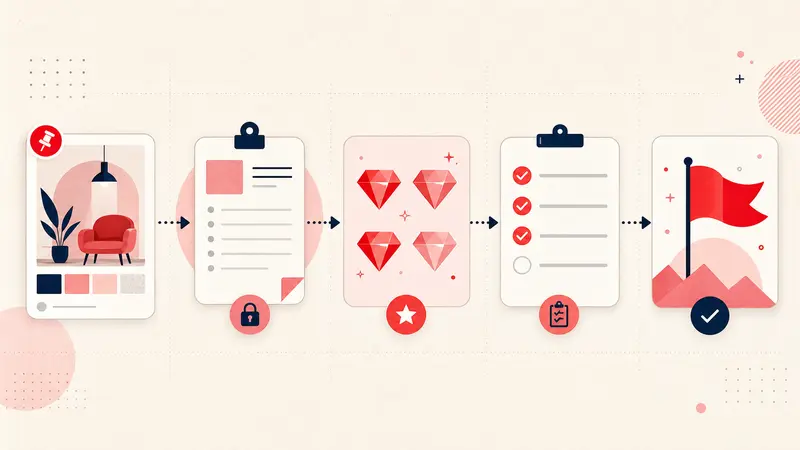
Before you click the save button, ask yourself a simple question. What specific purpose does this Pin serve? Is it inspiration for a project you are actively working on? Is it research for future content? Is it a personal goal such as redecorating a room or planning a trip?

When you define the goal first, your saves become more intentional. This alone reduces clutter and improves long term organization.

2. Use Micro Notes for Context

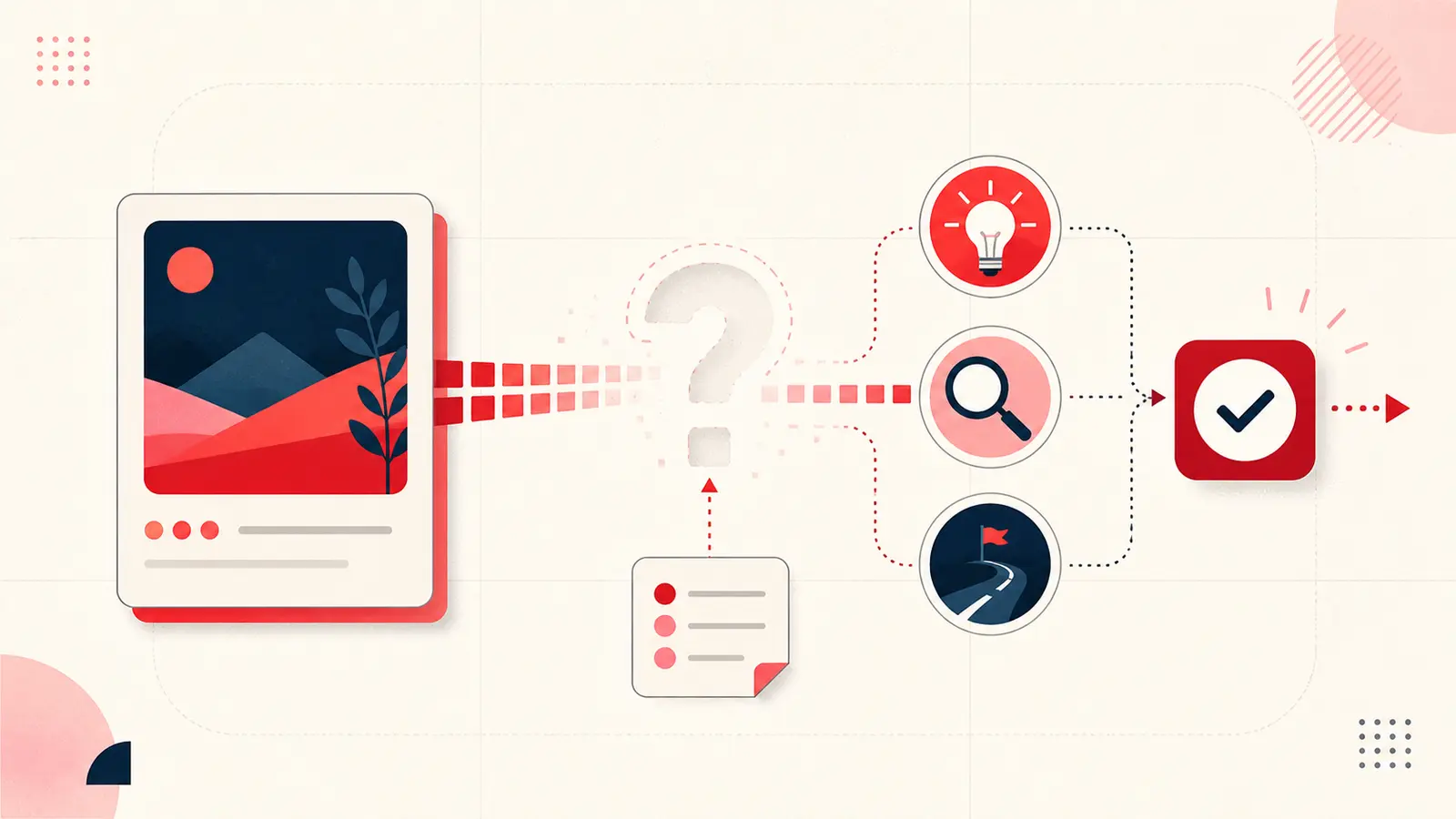
As mentioned earlier, a short note can preserve the original meaning of a Pin. Think of it as adding metadata to your inspiration. The image shows what. The note explains why.

For example, instead of saving a kitchen image without explanation, you might add a note such as Open shelving idea for rental apartment or Warm color palette for autumn content shoot. These small clarifications make your board far more functional.

3. Organize Boards Around Projects Not Just Themes

Many people create boards based only on broad themes such as home decor, fashion, or fitness. While this is helpful, it can still lead to overcrowded boards. Consider creating boards based on specific projects or timelines. For example, Living room renovation 2026 or Spring capsule wardrobe planning.

Project based boards combined with short notes provide powerful structure. You know exactly what you are collecting and why.

4. Review and Refine Regularly

Set aside time once a month to review your boards. Remove Pins that no longer align with your goals. Update notes if your plans have changed. This simple maintenance routine prevents your Pinterest account from turning into a digital storage room filled with forgotten ideas.

The Psychological Benefit of Organized Inspiration

Beyond productivity, organized Pinterest boards offer psychological benefits. Clarity reduces stress. When you open a board and immediately understand your past decisions, you feel in control. Your inspiration becomes a tool instead of a source of confusion.

Disorganized boards can subtly create anxiety. You sense that something important might be hidden somewhere in the chaos. You worry about missing a good idea. By adding context and structure, you eliminate that uncertainty.

Inspiration should feel exciting, not overwhelming. A simple system of short notes and intentional saving restores that positive experience.

How Notestopin Solves the Core Problem

While Pinterest allows basic board organization, it does not naturally encourage detailed note taking on individual Pins in a way that feels seamless and private. This is where a dedicated solution becomes valuable. Notestopin was created specifically to address this missing piece in the Pinterest workflow.

With Notestopin, you can add private notes directly to any Pin. This means your thoughts, plans, and reminders stay attached to the exact image that inspired them. You no longer need to rely on memory or external documents. Everything stays in one place.

The process is designed to be frictionless. Instead of interrupting your browsing experience, it enhances it. You see something inspiring, you save it, and you immediately add a few words explaining why. The entire action takes seconds, but the long term impact is significant.

Searchable and Taggable Saves

Another powerful advantage of adding structured notes is searchability. Over time, your Pinterest account becomes a personal idea database. When your Pins include meaningful keywords in their notes, you can quickly locate specific concepts without scrolling endlessly.

For example, if you tagged several Pins with phrases such as minimal branding, eco packaging, or cozy reading nook, you can retrieve all related inspiration instantly. This transforms Pinterest from a passive inspiration feed into an active planning tool.

For bloggers and business owners, this feature is particularly valuable for content planning and brand consistency. Instead of starting from scratch each time, you can revisit curated, clearly labeled inspiration that directly supports your strategy.

From Inspiration to Execution

The ultimate goal of saving Pins is not just to collect images. It is to take action. You want to renovate the room, write the article, design the product, cook the recipe, or start the routine. Organized boards bridge the gap between inspiration and execution.

When each Pin includes a short explanation of its purpose, you can quickly create action plans. You see a bathroom tile image with the note White tiles with dark grout for small space. That becomes a concrete design direction. You see a marketing Pin with the note Lead magnet landing page layout. That becomes a blueprint for your next project.

Clarity speeds up decision making. Decision making speeds up progress.

Building a Sustainable Pinterest System

To solve Pinterest’s biggest organization problem permanently, you need a sustainable system. That system does not need to be complex. It needs to be consistent.

Start by committing to intentional saving. Avoid saving just because something looks attractive. Save because it aligns with a goal. Add a short note immediately. Keep your boards focused on specific outcomes. Review them periodically.

Over time, this approach changes how you experience Pinterest. Instead of feeling like a stream of endless content, it becomes a curated library tailored to your vision.

Conclusion

“I saved it, but why?” is a question that reveals a deeper issue in digital organization. Pinterest makes it easy to collect ideas, but without context, those ideas lose their value. The solution is simple yet powerful. Add meaning at the moment of saving.

Three words can preserve your intention. A short note can prevent future confusion. A consistent system can transform clutter into clarity. Whether you are planning a renovation, building a brand, launching a blog, or organizing personal goals, structured Pinterest boards support real progress.

By attaching clear notes and searchable tags to each Pin, you escape the amnesia loop. You replace overwhelm with focus. You turn inspiration into action. That is how you truly solve Pinterest’s biggest organization problem and make every saved idea count.

Salo

About the Author

Salo is a product designer and power user who writes about digital organization, Pinterest workflows, and tools for better thinking.

Get the Notestopin Chrome extension

Add private notes to any Pin, tag them, and search your saves later.

Add to Chrome