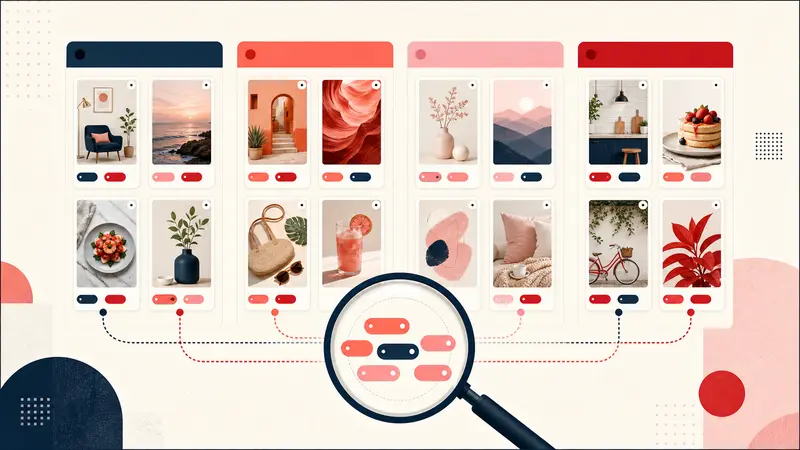
Online shopping is a gamble because the photo is not the product. The photo is styling, lighting, and a model body type that may not match yours. Pinterest makes it easy to save outfits and individual items you like, but the real purchase decisions depend on details Pinterest does not store: fit, sizing quirks, fabric feel, transparency, stretch, shrink risk, and whether the piece will actually work with what you already own.
That is why most fashion boards do not convert into a wardrobe. They convert into a backlog of pretty images that you revisit and then abandon because you cannot remember the key decision data. The fix is simple. Treat every serious fashion pin like a mini shopping record. Add a sizing and fit note. Add a review summary. Add integration notes that connect the item to your existing wardrobe. When you do that consistently, your boards stop being inspiration and start being a purchase and outfit system.
This article shows a practical workflow for building Pinterest fashion boards that lead to real outfits. The focus is not on saving more pins. The focus is on saving smarter so you buy fewer mistakes and wear more of what you own.
Why fashion boards fail without sizing and fit notes
The biggest cost in online fashion is not the price of a single item. It is the accumulation of wrong purchases. Pieces that do not fit. Fabrics that feel uncomfortable. Cuts that look good on the model but do not match your proportions. Items you return or keep but never wear. That waste usually comes from missing information at the moment you decide to buy.
Pinterest does not capture the most important fit details:
- Brand sizing behavior: runs small, runs large, inconsistent between colors
- Fabric behavior: stretch, drape, stiffness, itchiness, cling
- Construction issues: thin lining, gaping buttons, short inseam, tight shoulders
- Model context: model height, size worn, and styling tricks
- Your constraints: preferred rise, sleeve length, coverage, comfort
When you add notes, you attach this missing layer to the pin. That is what makes conversion possible.
The Review Summary: turn scattered reviews into one useful note
Reviews are often more accurate than product photos. They tell you what the item actually feels like, how it fits across body types, and what problems repeat. The issue is that reviews are time consuming to re read later. If you save the pin now and come back weeks later, you will not remember what the reviews said.
The fix is to read reviews once and summarize the signal in a Pinterest note. Your goal is not to copy everything. Your goal is to capture the patterns.
A strong review summary note includes:
- Fit signal: size up, size down, true to size
- Body fit issues: tight shoulders, loose waist, short torso, long sleeves
- Fabric signal: itchy, soft, stiff, thin, see through, heavy
- Durability signal: pills, fades, shrinks, wrinkles easily
- Model context: model height and size worn, if available
Example note:
Reviews: runs small, size up | Fabric: soft but thin, light color slightly see through | Fit: tight in shoulders, sleeves long | Model: 5ft 10, wears S | Care: shrinks if hot dry
That one note saves you from repeating research and prevents expensive mistakes.
The Fit Note: capture your personal sizing rules
Fit is personal. Two people can read the same reviews and reach different conclusions. Your note should also include your own preferences, especially if you already know what works for you.
Useful fit notes include:
- “Prefer high rise, avoid mid rise jeans.”
- “Need longer inseam, avoid cropped unless styled with boots.”
- “Sensitive skin, avoid wool blends without lining.”
- “Oversized is fine in tops, but not in shoulders.”
If you want consistency, use a small template:
Size to buy: | Fit risks: | Fabric note: | Return if:
This makes decision making faster when you are shopping on your phone and do not want to think too hard.
Wardrobe integration: stop buying orphan items
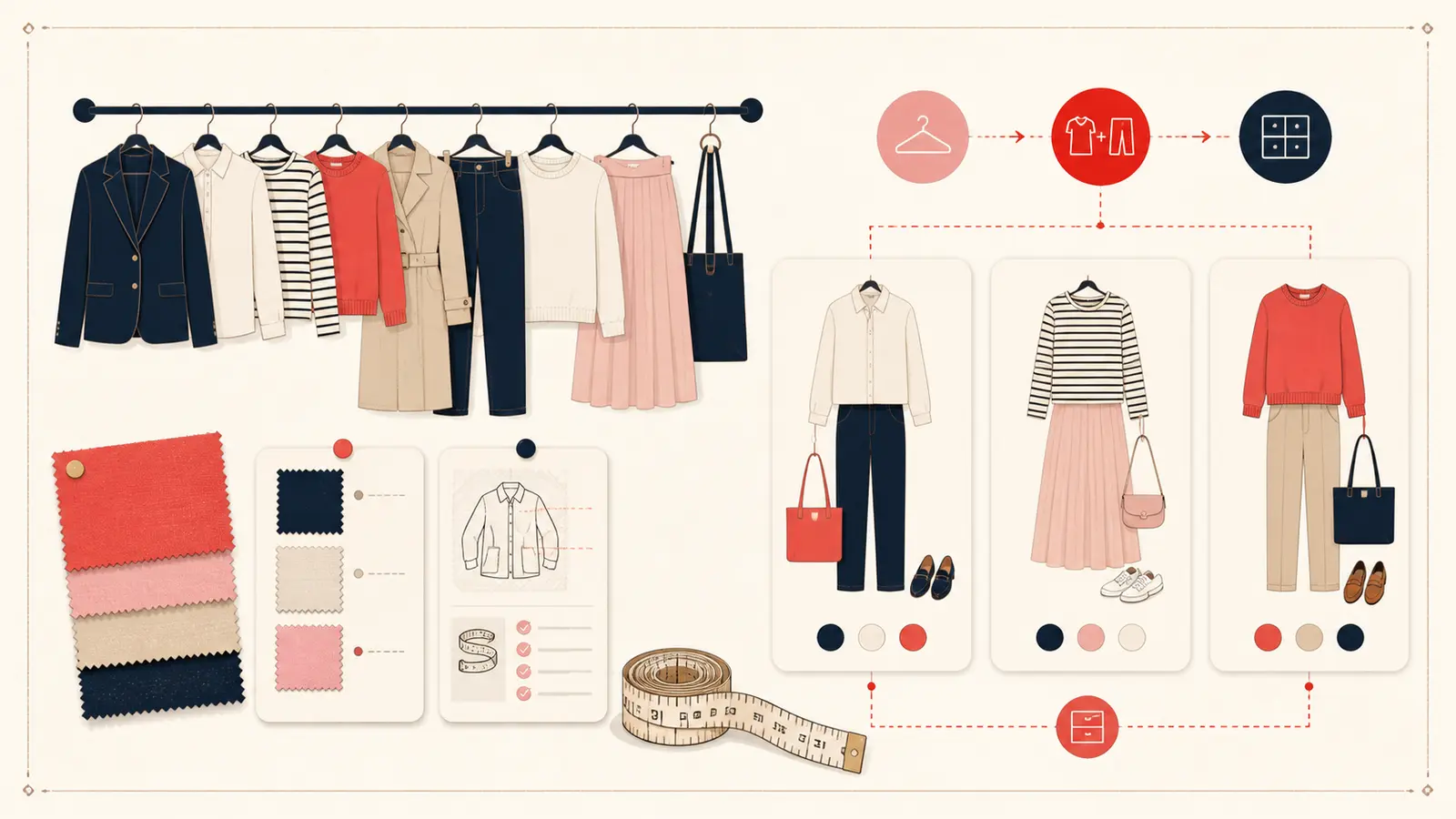
A large portion of unworn clothing is not bad clothing. It is clothing that does not integrate. You buy a piece you like, but it does not match your shoes, jackets, pants, or lifestyle. Then it sits in the closet because it has no easy outfit path.
Integration notes solve this by forcing you to connect the pin to items you already own. Examples:
- “Wear with black boots and camel coat.”
- “Matches suede jacket and straight leg jeans.”
- “Work outfit, pair with navy trousers, gold hoops.”
- “Needs strapless bra, only for events.”
If you cannot write at least two outfits for the item, it is a warning sign. That is how you avoid buying pieces that look great in isolation but do not fit your wardrobe system.
Tags that make fashion boards usable at scale
Pinterest boards are visual. Your future questions are often textual. You will want to search by occasion, season, color palette, and fit type. Tags make that possible.
Useful tag families for fashion boards:
- Occasion: work, weekend, date night, wedding guest, travel
- Season: summer, winter, transitional
- Silhouette: oversized, fitted, wide leg, straight leg, midi
- Color: black, navy, cream, earth tones
- Status: wishlist, shortlist, bought, returned, staple
- Fit flags: size up, size down, long inseam, petite friendly
With these tags, you can filter down quickly. For example, “work plus winter plus black” or “wedding guest plus summer” becomes a usable set, not a scroll session.
A complete example note for one fashion pin
Here is a compact note format that combines review summary, fit decision, and integration:
Status: shortlist | Size: order M, runs small | Reviews: sleeves long, shoulders narrow | Fabric: soft, slightly thin | Model: 5ft 10 in S | Outfits: with suede jacket and black boots, also with navy trousers | Avoid if: too sheer in daylight
This is the type of note that converts a pin into a confident purchase decision.
How Notestopin makes fashion boards convert
Notestopin is designed for exactly this workflow. You add private notes to any pin, tag them, and search your saves later. That gives you three advantages: you store sizing and fit context next to the visual, you can filter by tags like shortlist or size up, and you can search your notes for details like “itchy,” “long inseam,” or “work outfit.”
The result is a board that behaves like a personal shopping assistant. It remembers what you learned from reviews. It remembers what you prefer. It remembers how an item fits into your wardrobe. That is how pins turn into outfits instead of clutter.
Conclusion: save style, but also save the decision data
Pinterest is great for fashion inspiration, but inspiration alone does not build a wearable wardrobe. Fit and sizing details are what make purchases successful. Review summaries reduce risk. Wardrobe integration notes prevent orphan items. Tags and search keep the system usable when your boards grow.
If you want a quick start, pick ten pins you are most likely to buy. Add a one line review summary and a size decision to each. Then add two outfit pairings from your existing closet. That small habit will cut your shopping mistakes and make your Pinterest board a real wardrobe planning tool.
Keep building your Pinterest system
Continue with the guide that matches your next step:

Get the Notestopin Chrome extension
Add private notes to any Pin, tag them, and search your saves later.
Add to Chrome